

Infrastructure, explained
How DNS, domains, certificates and monitoring actually work — and what to check first when they don’t. No vendor pitches, no listicles.
Email & deliverabilitySep 28, 2026 · 7 min read
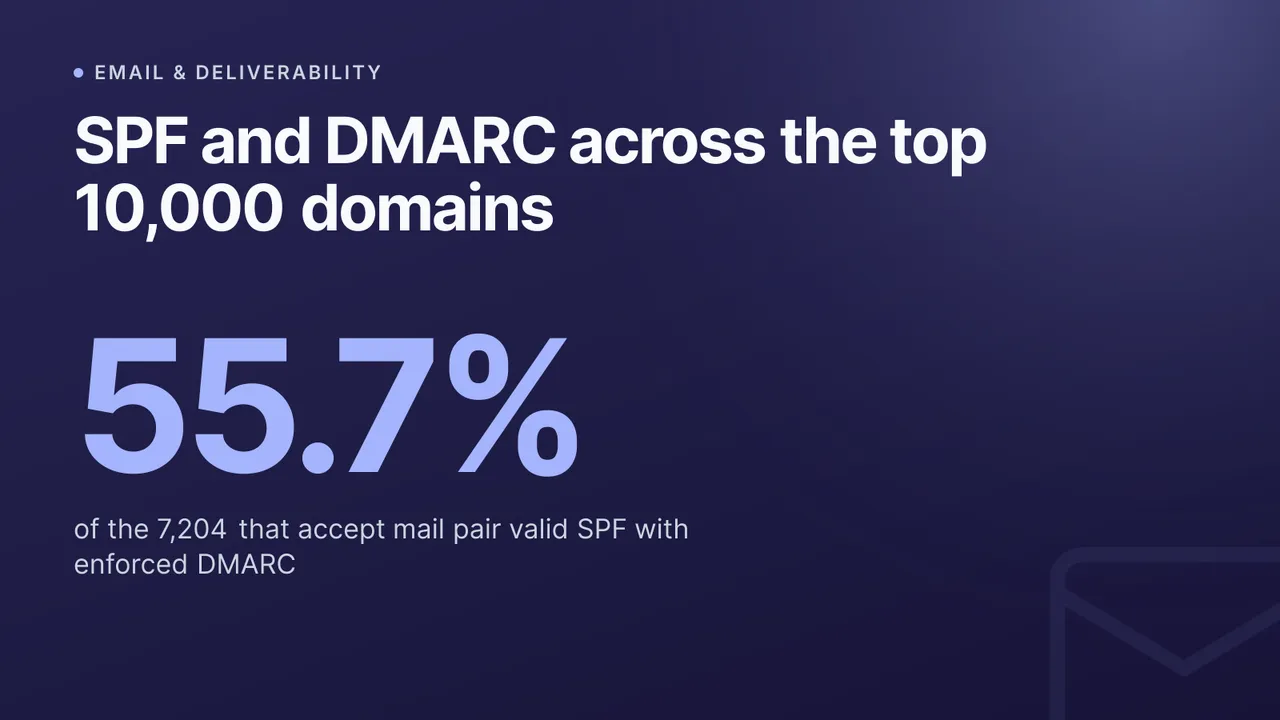
SPF and DMARC across the top 10,000 domains: 2026 data
We ran our SPF and DMARC checkers over the 10,000 most popular domains. Only 55.7% of those that accept mail are fully protected.
Latest
AutomationOct 23, 2026
Opening Jira or Linear issues from infrastructure events
Domains & DNSOct 21, 2026
How to transfer a domain to another registrar, step by step
Monitoring & StatusOct 19, 2026
Linking status page incidents to support conversations
Certificates & SSLOct 14, 2026
Wildcard vs SAN certificates: which one do you actually need?
Earlier articles
Servers & CloudOct 12, 2026 · 7 min read
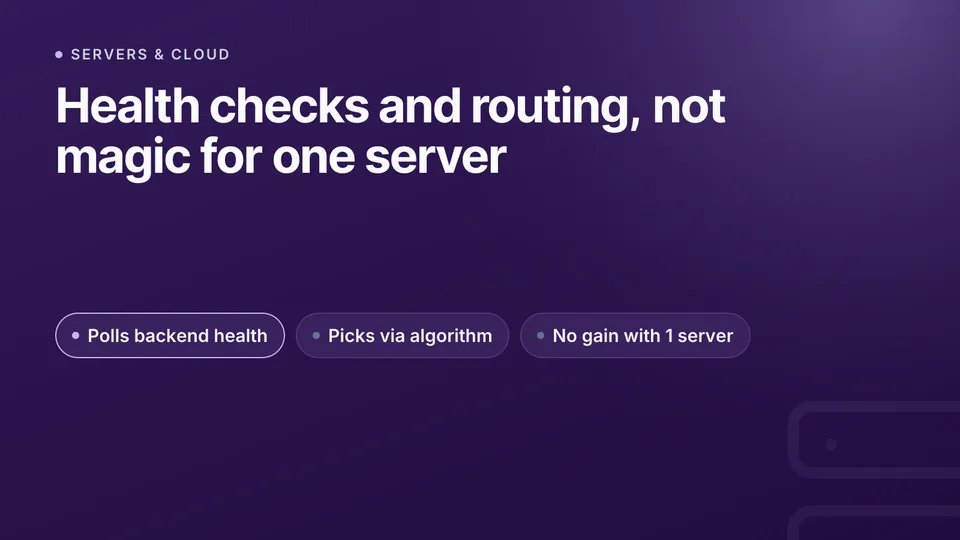
What a load balancer actually does (and when you don't need one)
Load balancers get bolted onto every architecture diagram by default. Here's what they actually do — health checks, routing, sessions — and when a single server is simpler and faster.
Servers & CloudOct 9, 2026 · 5 min read
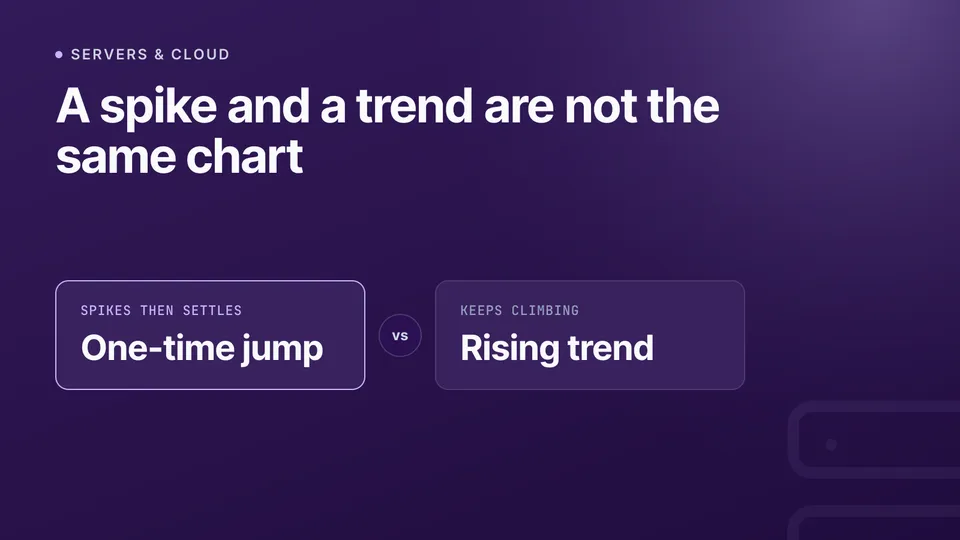
How to read server metrics: rising trends vs one-time jumps
A CPU or disk reading on its own tells you nothing — learn the techniques for telling a one-time spike from a genuine rising trend before it pages you.
AutomationOct 7, 2026 · 6 min read
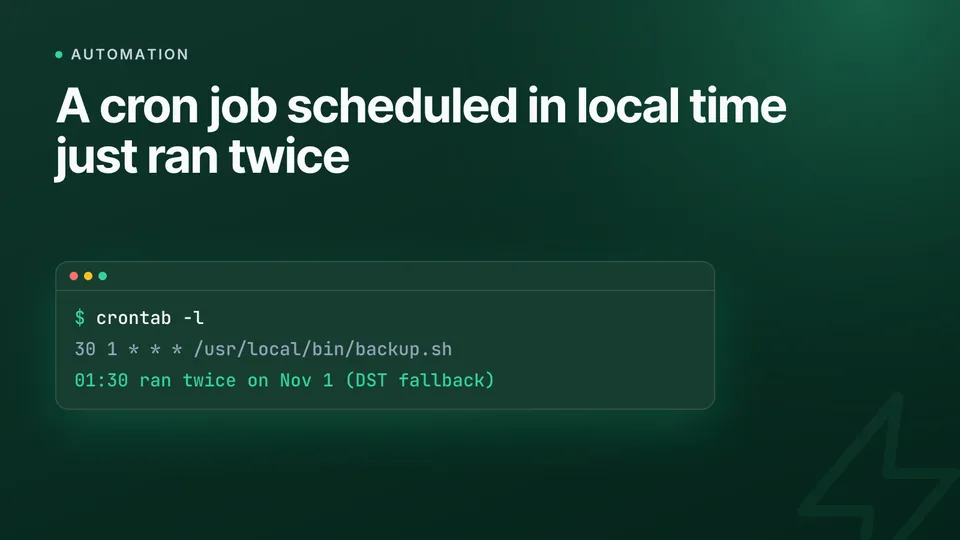
Why cron jobs break when daylight saving time changes (and how to fix it)
Daylight saving transitions make scheduled jobs run twice or not at all, shift maintenance windows and on-call alerts, and send log timestamps backwards. Here's the fix.
Domains & DNSOct 5, 2026 · 6 min read
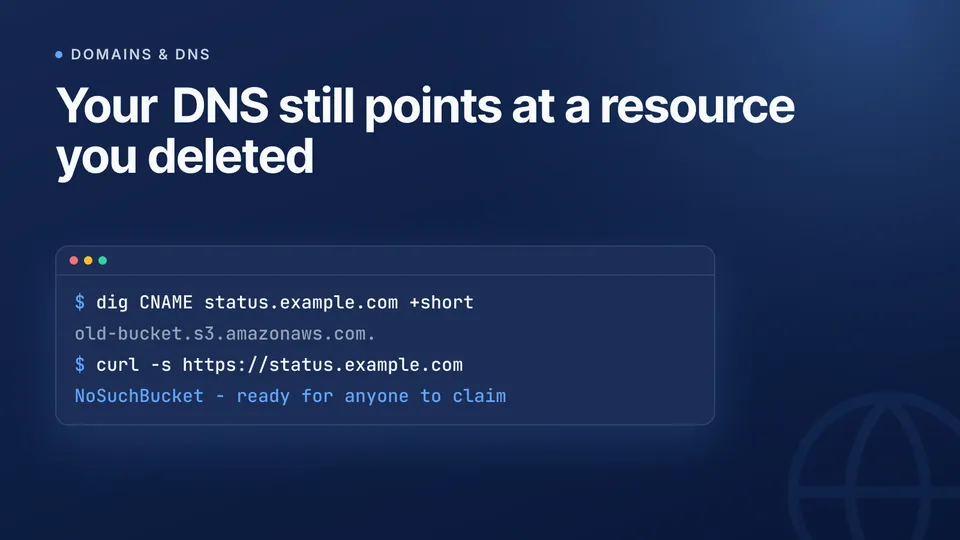
Dangling DNS records and subdomain takeover: how to find and remove them
Learn how deleted cloud resources turn into dangling DNS records attackers can claim, and get a practical process for auditing and cleaning up a zone.
Monitoring & StatusOct 2, 2026 · 5 min read
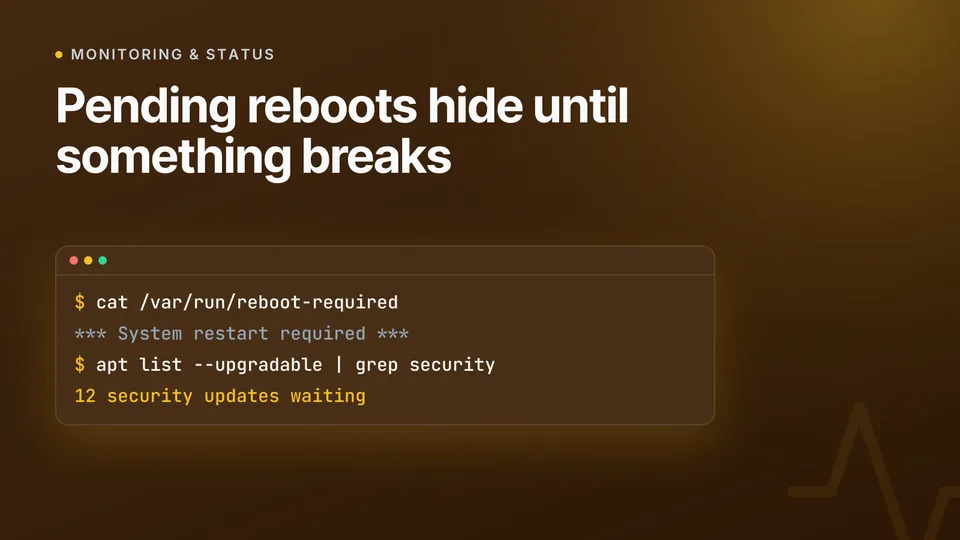
Setting up alerts for pending server reboots and security updates
Learn how Linux servers track pending reboots and stalled security updates, and how to get alerted before a quiet server turns into an outage.
Servers & CloudSep 30, 2026 · 5 min read
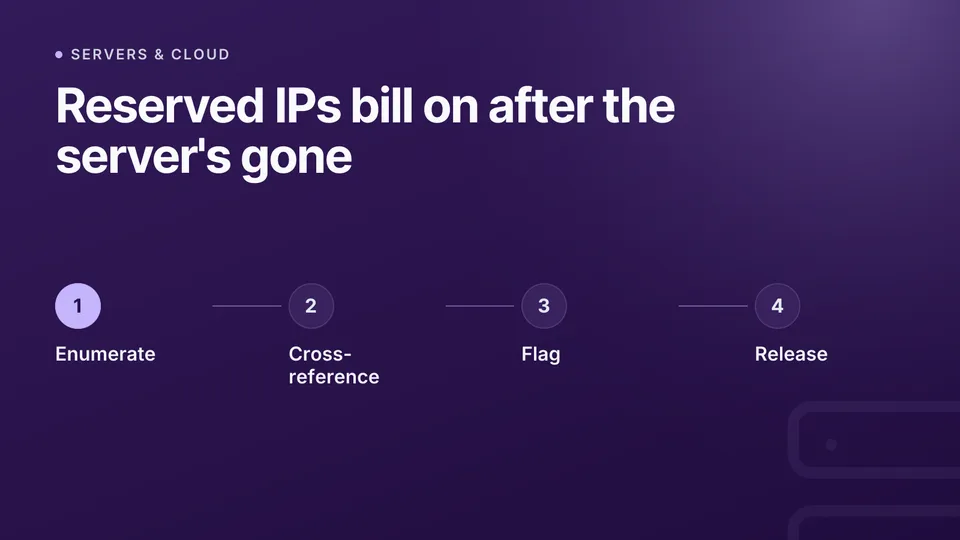
Find and clean up unused reserved IP addresses
A reserved IP address keeps getting billed long after its server is gone. Here's how to find orphaned addresses across providers and clean them up safely.
Domains & DNSSep 25, 2026 · 5 min read
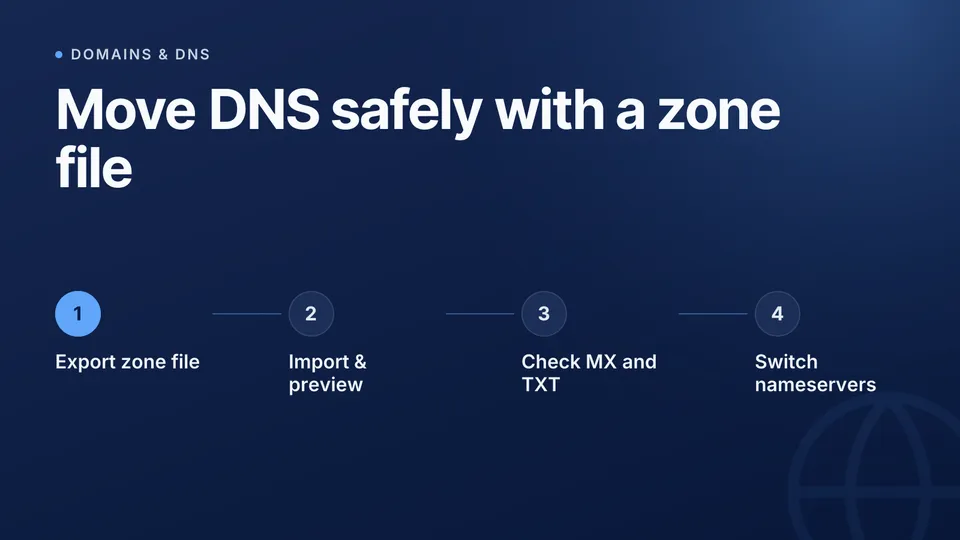
Move DNS between providers with a zone file
Manual DNS migration loses records and imports can silently fail. Learn how a standard zone file lets you preview every change before you switch providers.
AutomationSep 25, 2026 · 5 min read
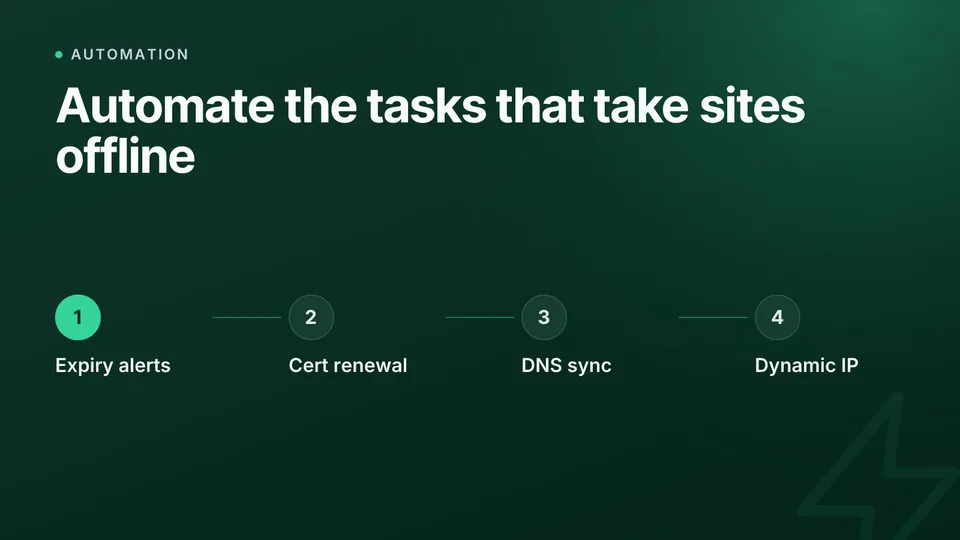
Reduce manual infrastructure work: what to automate first
A practical priority order for automating infrastructure: DNS sync, certificate renewals, expiry alerts and dynamic IP updates, ranked by risk and effort.
Monitoring & StatusSep 21, 2026 · 5 min read
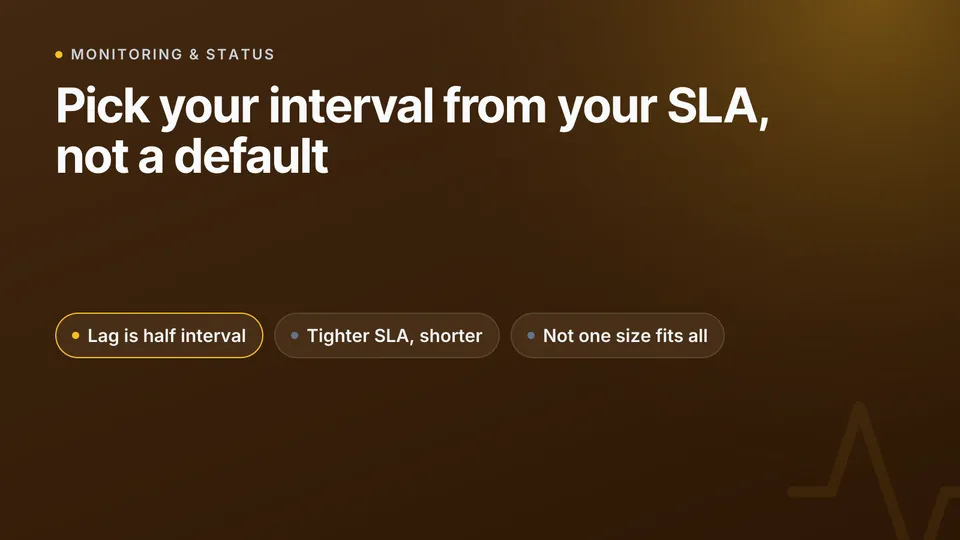
How often should you monitor your website?
The right check interval depends on your SLA and the cost of missed downtime, not a default. Here's the math to pick yours.
Servers & CloudSep 18, 2026 · 6 min read
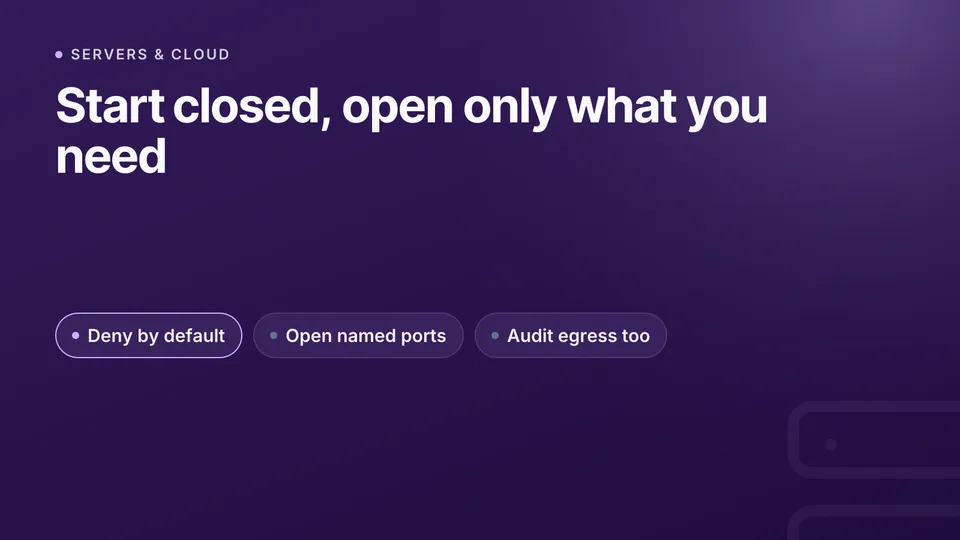
Cloud firewall rules explained: default-deny, inbound/outbound and common mistakes
A practical breakdown of how cloud firewall rules actually work, why default-deny matters, and the ports people leave open without realising it.
Domains & DNSSep 14, 2026 · 5 min read
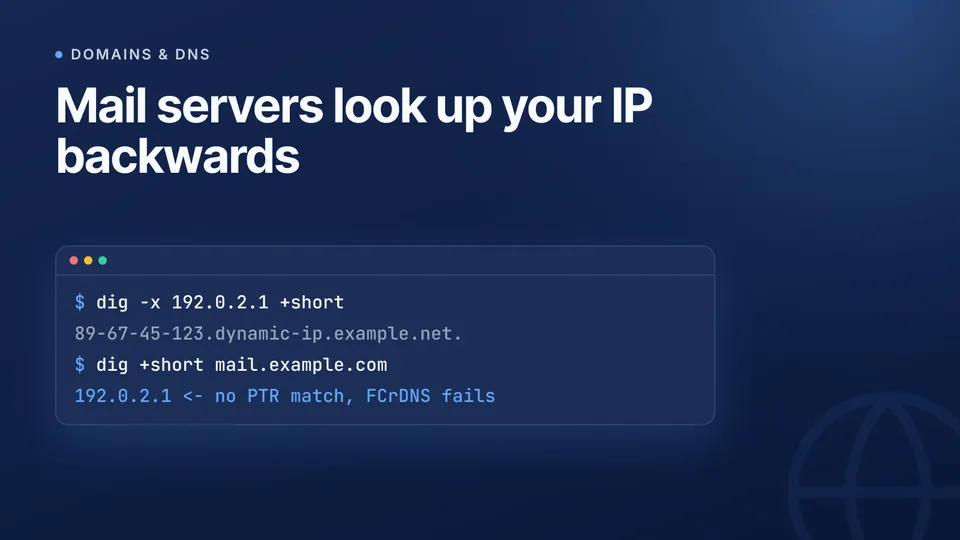
Reverse DNS explained: PTR records and why mail servers need them
Reverse DNS maps an IP address back to a hostname using PTR records. Here's how it works, why mail servers check it, and how to set it up.
Email & deliverabilitySep 11, 2026 · 5 min read
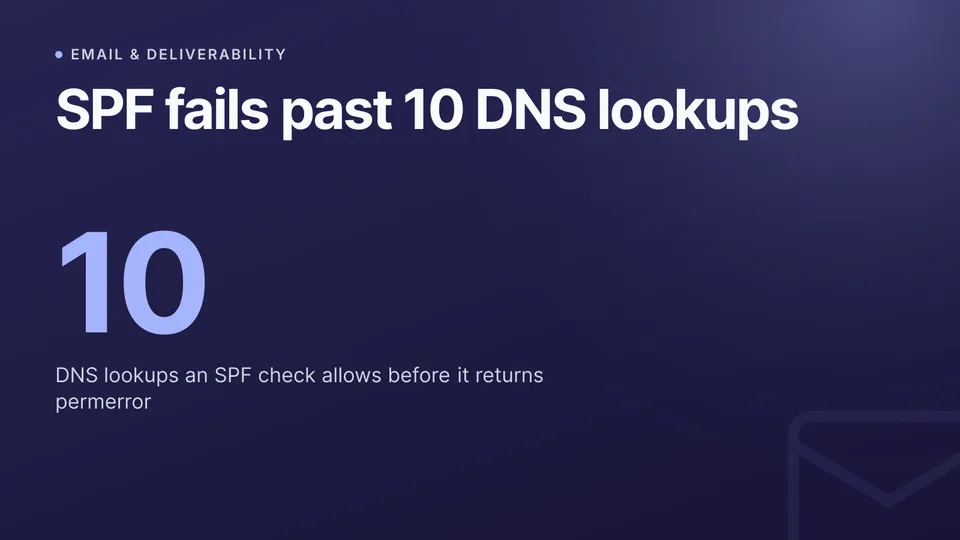
SPF record too many lookups: how to fix the 10-lookup limit
Your SPF record fails with "too many DNS lookups" once it exceeds 10 mechanism lookups — here's why it happens and how to flatten or consolidate it safely.
All topics
Show all 45 topics
New articles, straight to your inbox
I’d like to receive product updates and new articles from InfraNest by email. I can unsubscribe at any time.
The dashboard behind the writing
Everything we write about here — domains, DNS, certificates, uptime — running in one place.
Free plan · No credit card required · Set up in minutes